
Kissimmee Brake Repair & Maintenance: Pads, Rotors, Systems Guide
Your brake system is one of the most important safety systems on your vehicle, but it can feel confusing once you start hearing terms like pads, rotors, shoes, calipers, drums, and brake fluid. This guide breaks down the major types of brake systems, explains how the parts work together, and helps you understand when brake maintenance or brake repair may be needed. Whether you drive daily in Kissimmee FL traffic or only use your vehicle for errands and weekend trips, knowing the basics can help you make safer, more confident decisions.
What are the main types of brake systems?
Most modern cars and light trucks use hydraulic brake systems, usually with disc brakes in the front and either disc or drum brakes in the rear. In simple terms, the system uses brake fluid pressure to move components at each wheel, creating friction that slows the vehicle. The two main wheel-end designs are disc brakes and drum brakes, and each uses different parts to create that stopping force.
Disc brakes are common because they cool well, respond quickly, and are easier to inspect. Drum brakes are still found on some rear axles because they can be durable, compact, and effective for certain vehicle designs. Many vehicles also include anti-lock braking systems, or ABS, which help prevent wheel lockup during hard braking.
Disc brakes and drum brakes in everyday driving
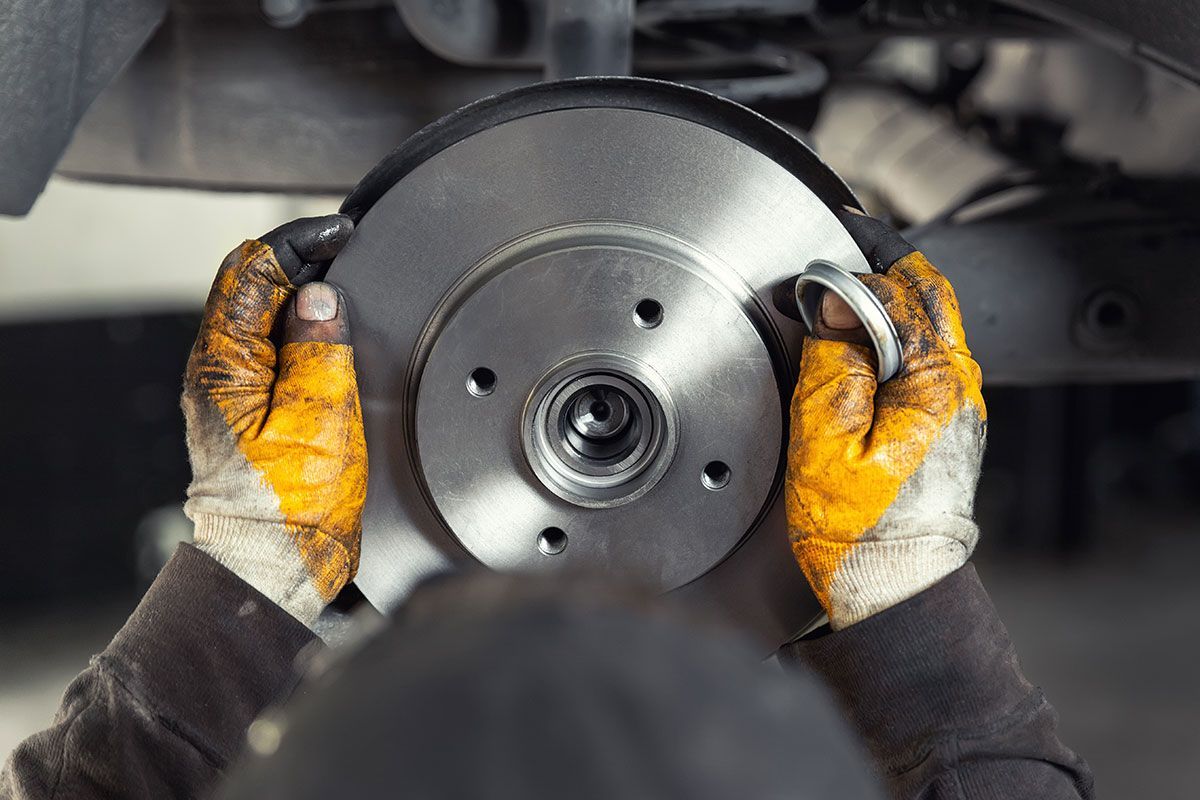
Disc brakes use brake pads, brake rotors, and calipers. When you press the brake pedal, hydraulic pressure pushes the caliper piston, squeezing the brake pads against the rotor. The rotor is attached to the wheel hub, so friction between the pads and rotor slows the wheel.
Drum brakes work differently. Instead of pads clamping onto a flat rotor, brake shoes press outward against the inside of a round drum. The drum turns with the wheel, and the shoes create friction from the inside. Drum brakes may also be tied into the parking brake system on many vehicles.
For the driver, the difference often shows up in service needs. Disc brake components are usually easier to see during inspection, while drum brakes may require more disassembly. Both systems can wear out, make noise, lose performance, or require adjustment and replacement over time.
The core parts that make brakes work
A brake system is not just one part. Good stopping power depends on several components doing their job at the same time. If one part is worn, leaking, contaminated, or improperly installed, the whole system can suffer.
Key brake system components include:
- Brake pads or brake shoes: These are friction materials that press against rotors or drums. Car brake pads are used in disc brake systems, while shoes are used in drum systems.
- Brake rotors or drums: These metal surfaces rotate with the wheels and provide the surface the friction material presses against.
- Calipers: Found on disc brakes, calipers hold the pads and use hydraulic force to clamp them onto the rotor.
- Brake fluid: This transfers force from the brake pedal through the hydraulic system. Low, old, or contaminated brake fluid can reduce braking performance.
- Brake hoses and lines: These carry brake fluid to each wheel. Cracks, corrosion, or leaks can become serious safety concerns.
- Master cylinder: This component converts pedal pressure into hydraulic pressure.
- ABS sensors and related electronics: These help the vehicle manage traction and braking during emergency stops or slippery conditions.
When a shop performs brake maintenance, it should look beyond the pads alone. Replacing pads while ignoring damaged rotors, sticking calipers, or old brake fluid can lead to noise, uneven wear, and poor performance.
How do brake pad materials compare?
Brake pads are commonly available in ceramic, semi-metallic, and organic materials, and the best choice depends on how and where you drive. Ceramic pads are often chosen for daily commuting because they tend to be quieter and produce less visible dust. Semi-metallic pads are usually better suited for heavier vehicles, towing, hilly routes, and drivers who need stronger heat resistance. Organic pads can work well for lighter-duty commuter use, but they may not be the best match for every vehicle or driving style.
The right brake pads are not simply the most expensive option on the shelf. They need to match the vehicle, the driver’s habits, and the braking demands placed on the system.
Ceramic brake pads
Ceramic brake pads are popular for passenger vehicles because they offer smooth performance, lower noise, and cleaner-looking wheels compared with many other pad types. They are a practical choice for stop-and-go traffic, school runs, commuting, and light everyday driving. Drivers who value comfort and low dust often ask for ceramic pads during brake repair.
However, ceramic pads are not automatically ideal for every situation. If you tow frequently, drive a large truck, or put heavy heat into the brakes, another material may be more appropriate. Always check what the vehicle manufacturer recommends before choosing replacement pads.
Semi-metallic brake pads
Semi-metallic brake pads contain metal fibers blended into the friction material. This helps them handle heat and braking force well, which can be useful for trucks, SUVs, towing, heavier loads, and more demanding road conditions. They can offer strong stopping feel, especially when the brake system is under stress.
The tradeoff is that semi-metallic pads may create more noise or dust than ceramic pads, depending on the specific design. They can also be more aggressive on brake rotors in some applications. For drivers who need durability and performance over quiet operation, they are often worth considering.
Organic brake pads
Organic pads are made from non-metallic friction materials and are often designed for lighter braking demands. They can feel smooth and quiet in some vehicles, making them suitable for certain daily driving needs. They may also be a reasonable option when the vehicle was designed around that type of pad.
Still, organic pads can wear faster under heavy use. If your vehicle regularly carries weight, sits in traffic, or sees frequent hard stops, ask whether a different pad material would provide better long-term performance.
Brake fluid deserves more attention
Brake fluid is easy to overlook because it is hidden inside the hydraulic system, but it is essential to safe braking. When you press the pedal, the fluid transfers that force to the calipers or wheel cylinders. If the fluid level is low, the fluid is contaminated, or air enters the system, the pedal can feel soft and stopping distance can increase.
Brake fluid also affects component life. Moisture and contamination can contribute to corrosion inside brake lines, calipers, and the master cylinder. During brake maintenance, a technician may inspect fluid condition, check for leaks, and recommend a brake fluid service if needed.
Watch for these warning signs:
- A brake pedal that feels soft, spongy, or sinks lower than normal
- Brake warning lights on the dashboard
- Visible fluid leaks near wheels or under the vehicle
- A burning smell after repeated braking
- Reduced braking power or a longer stopping distance
If any of these symptoms appear, it is safer to schedule an inspection instead of waiting for the problem to get worse.
Signs your brakes need inspection or repair
Brake problems often start small. A faint squeal, a slight vibration, or a longer stop can be easy to ignore, especially during busy weeks. The issue is that worn brake pads can eventually damage rotors, sticking calipers can cause uneven wear, and leaks can reduce braking force.
Common signs that you may need brake repair include:
- Squealing or chirping: This can come from pad wear indicators, glazed friction material, or vibration.
- Grinding: A grinding sound may mean the friction material is severely worn and metal is contacting metal.
- Vibration or pulsing: A pulsing pedal or steering wheel shake can point to rotor surface problems or uneven rotor thickness.
- Pulling to one side: The vehicle may pull during braking if a caliper sticks, pads wear unevenly, or hydraulic pressure is unbalanced.
- Visible grooves or scoring: Deep marks on brake rotors can affect pad contact and stopping smoothness.
- Burning odor or smoke: This can happen when brakes overheat or a caliper does not release correctly.
- Brake warning light: A dashboard warning should always be taken seriously.
A complete inspection should look at pads, rotors, calipers, hoses, fluid, drums if equipped, and related hardware. Hardware matters more than many drivers realize. Shims, clips, chamfered pad edges, and clean contact points can help reduce noise and allow the pads to sit correctly against the rotor.
What should Kissimmee drivers consider before brake service?
Drivers in Kissimmee and across Central Florida should think about driving patterns, traffic, heat, vehicle type, and service quality before choosing brake parts or scheduling brake repair. Frequent stop-and-go driving can wear pads faster, while heat and humidity can make fluid condition and metal corrosion worth watching. The best approach is to choose parts that fit the vehicle and to have the whole brake system inspected, not just the noisiest wheel.
If you are comparing options in Kissimmee FL, look for a shop or parts source that can explain what is actually worn and why. A local provider such as All Car Shop may be part of your research, but the key is to ask specific questions before approving work. You want clear findings, compatible parts, and a repair plan that addresses the cause of the problem.
Helpful questions to ask include:
- How much brake pad life is left on the front and rear?
- Are the brake rotors smooth, scored, warped, or below service thickness?
- Are the calipers releasing properly, or is one sticking?
- Is the brake fluid clean and at the correct level?
- Are the hoses, lines, and fittings dry and free of cracks or leaks?
- Is the recommended pad material right for my vehicle and driving habits?
These questions can help you avoid unnecessary work while also preventing incomplete repairs.
Simple brake maintenance habits that help
You do not have to become a technician to take better care of your brakes. A few practical habits can help you notice problems earlier and reduce avoidable wear.
Start by listening to your vehicle. New squeaks, scraping sounds, pedal changes, or vibrations are worth checking. Next, pay attention to how the vehicle stops. If you need more pedal pressure than usual or the vehicle feels unstable under braking, do not wait for the next oil change to mention it.
A basic brake maintenance checklist includes:
- Check brake pad thickness during tire rotations or routine service.
- Inspect brake rotors for grooves, rust buildup, hot spots, and uneven surfaces.
- Monitor brake fluid level and ask about fluid condition during service visits.
- Replace pads before they wear down far enough to damage rotors.
- Address caliper issues early if one wheel shows unusual heat, smell, or uneven wear.
- Use brake pads designed for your vehicle, not just pads that appear similar.
- Avoid riding the brakes on long descents or in heavy traffic when possible.
Good maintenance is about catching wear before it turns into a bigger repair. Pads are normal wear items, but damaged rotors, overheated components, and hydraulic problems can raise the cost and risk.
The right brake decision is a safety decision
Understanding brake systems helps you make better choices when your vehicle needs service. Disc brakes, drum brakes, brake pads, brake rotors, calipers, and brake fluid all work together, so repairs should be based on the condition of the complete system. Choosing the right pad material also matters because a commuter car, a work truck, and a towing vehicle do not place the same demands on their brakes.
If you hear noise, feel vibration, see a warning light, or notice a change in stopping power, schedule an inspection sooner rather than later. For drivers in Kissimmee, comparing trusted local brake service options, including All Car Shop if it is on your list, can help you find the right fit. The goal is simple: reliable stopping power, safer driving, and fewer surprises the next time you press the brake pedal.