

Four Wheel Drive: Essential Guide for Kissimmee FL Drivers
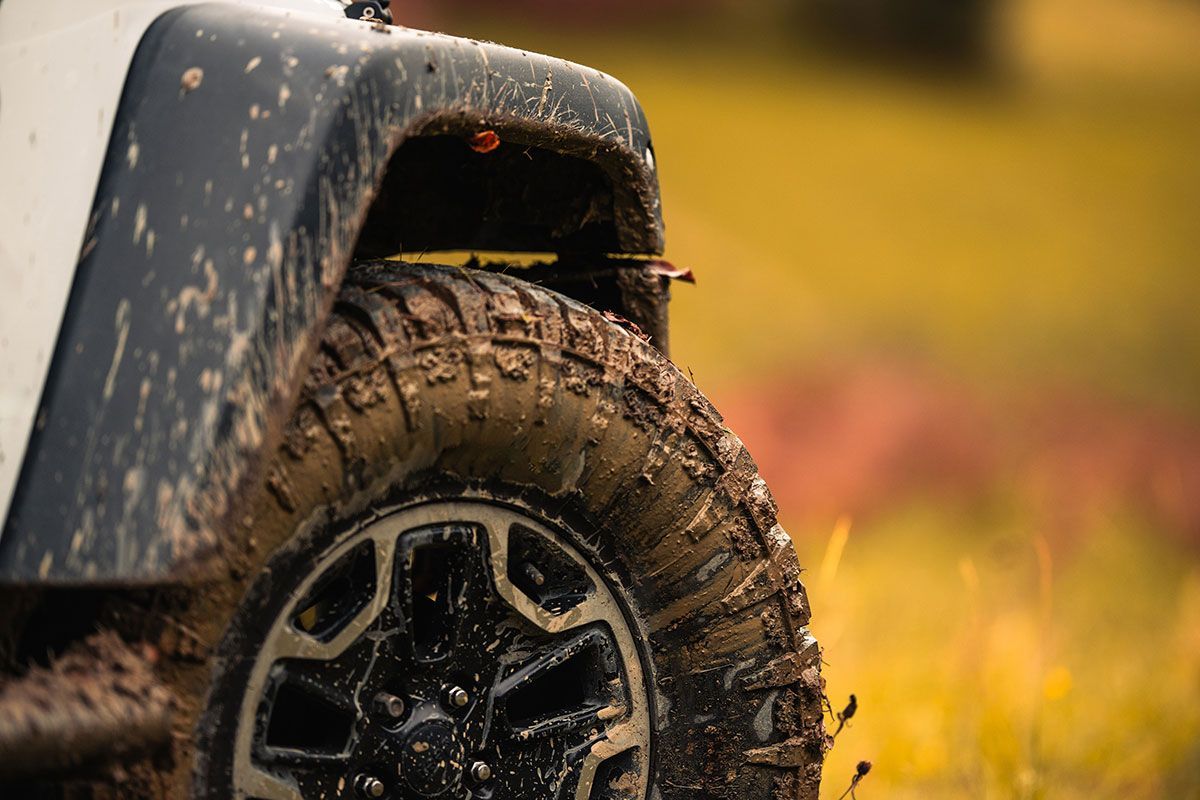
Four wheel drive helps a vehicle send power to all four wheels so it can keep moving when traction gets difficult. For drivers comparing trucks, SUVs, or adventure-ready vehicles in Kissimmee FL, understanding how 4 wheel drive works can make the difference between choosing a system you use confidently and paying for capability you rarely need. This guide explains the basics, the difference between four wheel drive and all wheel drive, and the maintenance habits that help keep the system dependable.
What is four wheel drive?
Four wheel drive is a drivetrain system that can deliver engine power to both the front and rear axles, allowing all four wheels to help move the vehicle. In many vehicles, the driver chooses when to engage 4WD, especially when roads are muddy, sandy, steep, uneven, or slippery. The goal is simple: improve traction when two driven wheels may not be enough.
Unlike a standard two-wheel-drive vehicle, which sends power to either the front or rear wheels, a four wheel drive vehicle is built for tougher conditions. It usually includes extra hardware, such as a transfer case, that helps split power between axles. Many 4WD systems also offer low-range gearing, which gives the vehicle more pulling control at low speeds.
The basic parts that make 4WD work
A 4WD system sounds complicated, but the core idea is easy to follow. Power starts at the engine, moves through the transmission, and then reaches the transfer case. The transfer case decides how power is sent to the front and rear axles.
Common components include:
- Transfer case: The key part that distributes power between front and rear wheels.
- Front and rear differentials: Gear sets that allow wheels on the same axle to turn at different speeds.
- Driveshafts: Rotating shafts that carry power from the transfer case to the axles.
- Locking hubs or electronic engagement systems: Parts that connect or disconnect front-wheel drive components on some vehicles.
- Low-range gearing: A setting that increases torque at low speed for crawling, climbing, or controlled movement.
The transfer case is especially important because it often gives 4 wheel drive vehicles their real off-road advantage. A low-range setting does not make the vehicle faster. Instead, it helps the driver move slowly and steadily through deep sand, ruts, rocks, boat ramps, or wet ground.
Four wheel drive systems are not all the same
Not every 4WD vehicle behaves the same way. Some are designed for occasional use, while others can stay in four-wheel traction mode all the time. Understanding the difference helps prevent misuse and unnecessary wear.
Part-time 4WD
Part-time four wheel drive is common in trucks and traditional off-road SUVs. These vehicles normally drive in two-wheel drive, then allow the driver to select 4WD when extra traction is needed. Settings often include 2H, 4H, and 4L.
Use 4H for loose or slippery surfaces where you need more traction but still need normal driving speeds. Use 4L for slow, difficult situations where control matters more than speed. Because many part-time systems lock the front and rear axles together, they should not be used on dry pavement or other high-traction surfaces.
Full-time 4WD
Full-time 4WD can send power to all four wheels during regular driving. These systems often use a center differential or similar device that allows the front and rear axles to rotate at different speeds. Some full-time systems also include low range or locking modes for more difficult terrain.
This design is convenient because the driver may not need to switch modes as often. However, it can still be heavier and more complex than a basic two-wheel-drive setup. If a vehicle has selectable locking features, the owner’s manual remains the best guide for when to use them.
How is four wheel drive different from all wheel drive?
Four wheel drive is usually built for demanding traction needs, while all wheel drive is usually built for automatic on-road traction. In everyday terms, 4WD is often the better fit for off-road trails, deep mud, sand, towing on loose surfaces, and steep low-speed situations. All wheel drive is often better for drivers who want extra grip in rain or changing road conditions without having to select modes.
AWD systems commonly manage torque automatically. The driver simply drives, and the system reacts when traction changes. That makes all wheel drive appealing for commuting, family use, wet roads, and drivers who prefer less involvement.
Four wheel drive, especially part-time 4WD, typically asks more from the driver. You need to know when to engage it, which mode to choose, and when to turn it off. In exchange, you may get stronger off-road capability and low-range control that most AWD systems do not offer.
A simple way to think about it:
- Choose all wheel drive if your priority is easy, automatic traction for paved roads and rainy days.
- Choose four wheel drive if your priority is rugged capability, off-road use, or slow-speed control in difficult terrain.
- Choose two-wheel drive if you mostly drive on pavement and want a simpler, lighter setup.
Real-world reasons drivers choose 4WD
Drivers choose four wheel drive because it adds confidence when the surface under the tires is unpredictable. In Kissimmee, that can mean wet roads during heavy rain, soft ground near recreation areas, sandy access paths, or muddy conditions after storms. While 4WD is not a substitute for careful driving, it can help a properly equipped vehicle keep traction where a two-wheel-drive vehicle may struggle.
The most practical benefits include:
- Better traction on loose surfaces Four powered wheels can help the vehicle move through gravel, mud, sand, grass, and uneven ground.
- Improved low-speed control Low range helps the driver move slowly without riding the brakes or spinning the tires aggressively.
- More confidence for outdoor use Campers, anglers, trail riders, and boat owners may appreciate added capability on unpaved access routes.
- Helpful support for towing in poor traction When launching a boat or pulling on a loose surface, 4WD can help reduce wheelspin.
- Stronger capability in severe conditions When combined with the right tires, ground clearance, and driving technique, 4WD can help in conditions that would challenge many standard vehicles.
The important phrase is “combined with.” Four wheel drive helps a vehicle accelerate or continue moving, but it does not automatically improve braking. Tires, speed, visibility, and driver judgment still matter.
When should you engage 4WD?
You should engage 4WD before traction becomes a problem, not after the vehicle is already buried, sliding, or stuck. If you are approaching a muddy trail, soft sand, wet grass, steep gravel road, or slippery worksite, selecting the right 4 wheel drive mode early gives the system time to help. Waiting too long can cause wheelspin, dig the tires deeper, or make recovery harder.
Use these general guidelines:
- Use 2H for normal dry pavement and everyday driving in most part-time 4WD vehicles.
- Use 4H for wet dirt roads, gravel, shallow mud, sand, or slippery surfaces where moderate speed is still appropriate.
- Use 4L for slow, difficult conditions such as deep mud, steep climbs, rocks, ruts, or controlled towing on loose ground.
- Disengage part-time 4WD when returning to dry pavement or a high-traction surface.
- Avoid sharp turns on dry pavement in part-time 4WD because the drivetrain may bind.
Every vehicle is different, so the owner’s manual should always be the final authority. Some vehicles allow shifting into 4H while moving at limited speeds, while others require stopping or shifting into neutral for certain modes. Guessing can lead to grinding, warning lights, or damage.
What are the limits of 4 wheel drive?
Four wheel drive improves traction, but it does not make a vehicle unstoppable. A heavy SUV or truck can still hydroplane, slide, sink, overheat, or get high-centered. The system helps send power to more wheels, but it cannot create grip where the tires have none.
Drivers should also avoid assuming 4WD shortens stopping distance. Braking depends heavily on tires, road surface, speed, and vehicle weight. In rain-heavy areas like Kissimmee FL, safe speed and tire condition are just as important as drivetrain choice.
There are also ownership trade-offs. 4WD vehicles often have more components than two-wheel-drive vehicles, which can mean more fluids to service and more parts to inspect. The added weight may also affect fuel economy and ride feel, depending on the vehicle.
Four wheel drive maintenance protects the system
Good four wheel drive maintenance is mostly about keeping fluids fresh, components inspected, and the system used correctly. Because 4WD parts may sit unused for long stretches, occasional checks matter even if you rarely go off-road. A system that is ignored until the first muddy weekend may not perform as expected.
Helpful maintenance habits include:
- Check transfer case fluid according to the vehicle’s service schedule.
- Inspect differential fluid and look for leaks around axle seals or housings.
- Listen for unusual noises such as clunks, grinding, whining, or binding during turns.
- Engage the system periodically if the manual recommends it, so components do not remain idle for too long.
- Keep tires matched in size, type, and wear level, because mismatched tires can stress drivetrain components.
- Wash the underbody after mud, sand, or salty environments to reduce buildup and corrosion risk.
- Service after hard use if you have driven through deep water, heavy mud, or demanding trails.
For Kissimmee drivers, moisture, heat, and sandy conditions can make inspections especially worthwhile. Even light recreational use can leave grit around suspension, brakes, and driveline parts. A quick rinse and a routine visual check can prevent small issues from becoming bigger ones.
Choosing between 4WD and AWD in Kissimmee
The best choice depends on how you actually drive, not just how capable a vehicle looks. If your days are mostly school runs, commuting, shopping, and paved-road travel around Kissimmee, all wheel drive may provide the traction confidence you want with less decision-making. It is especially convenient when rain comes and goes quickly.
If your routine includes towing, outdoor recreation, rural property access, unpaved roads, or trails, four wheel drive may be worth the extra complexity. A 4WD vehicle with proper tires and low range gives you more control when pavement ends. It also gives you options when the ground is soft, uneven, or washed out.
Before buying, ask yourself:
- Will I regularly drive on unpaved or soft surfaces?
- Do I need low-range gearing for towing, trails, or boat ramps?
- Am I comfortable learning when to use each mode?
- Will I keep up with four wheel drive maintenance?
- Would automatic all wheel drive better match my daily routine?
Honest answers matter. Buying more capability than you need can add cost and upkeep. Buying too little capability can leave you frustrated when conditions get rough.
Confident driving starts with understanding the system
Four wheel drive is one of the most useful vehicle systems for drivers who face loose surfaces, outdoor terrain, towing challenges, or unpredictable traction. It works best when the driver understands the difference between 2H, 4H, and 4L, uses the system before trouble starts, and avoids part-time 4WD on dry pavement.
For many drivers in Kissimmee FL, the decision comes down to lifestyle. All wheel drive is often easier for everyday wet-road confidence, while 4 wheel drive offers stronger capability for demanding conditions. Choose the system that matches your roads, your habits, and your willingness to maintain it, and you will get more value from every mile.