

Signs Your Car Air Filter Needs Replacement
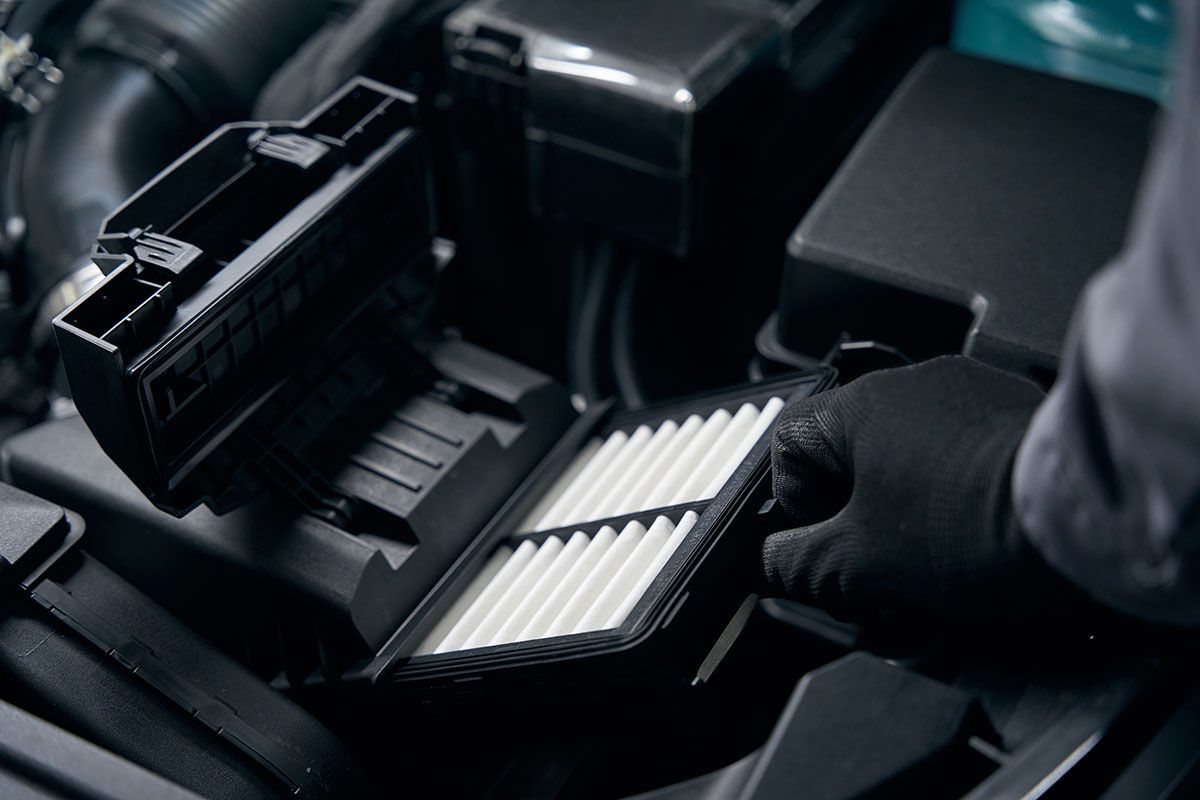
Every time you slide into the driver’s seat and start the ignition, your vehicle begins a complex mechanical process that relies heavily on one crucial element: oxygen. Just like you, your car needs to breathe clean, unobstructed air to perform at its absolute best. This essential, foundational task is managed by components that are frequently overlooked during routine vehicle servicing, your vehicle air filters.
Whether you are a seasoned gearhead or a daily commuter who simply wants a reliable, comfortable ride, understanding the nuances of car air filters: signs they need replacement, why they matter, types (engine vs cabin), and replacement intervals is absolutely vital. Ignoring these seemingly minor components can lead to a domino effect of mechanical issues, decreased performance, and a severe drop in driving comfort.
In this comprehensive guide, we will break down everything you need to know about your car filters, helping you keep your engine purring and your cabin perfectly fresh.
Why Vehicle Air Filters Matter
At their core, air filters are the ultimate gatekeepers of your vehicle. They stand as the primary barrier between your car's delicate internal systems and the harsh, contaminated environment of the open road. Highways and city streets are filled with dust, dirt, loose pollen, tire particles, and toxic exhaust soot. Without a highly effective filtration barrier, these contaminants would wreak havoc on both the machinery under the hood and the passengers sitting in the seats.
For your vehicle's engine, these filters provide essential combustion chamber debris protection. The internal combustion process requires a highly precise mixture of fuel and atmospheric air. If microscopic dirt particles bypass a degraded filter and enter the engine, they act like grit or sandpaper against the cylinder walls, pistons, and piston rings. Over time, this microscopic friction leads to severe internal wear, a loss of engine compression, oil contamination, and ultimately, expensive engine failure.
On the human side of the equation, a high-functioning filtration system is the absolute secret to improving car interior air quality. The cabin of your vehicle is a relatively small, tightly enclosed space. Without a proper filter, the concentration of road dust, exhaust fumes, and seasonal allergens inside the car can easily become exponentially higher than the air outside, directly impacting your health and focus while driving.
The Two Main Types: Engine vs Cabin Air Filter Differences
To fully grasp how your vehicle breathes, we must explore the engine vs cabin air filter differences. While both serve the fundamental purpose of purification, they are completely separate components with entirely distinct jobs.
The Engine Air Filter
The engine air filter serves as your car's lung. Located under the hood, it is typically housed in a protective black plastic box that connects to the engine's throttle body via a large intake tube. Its sole, critical purpose is to scrub the air before it reaches the engine cylinders. Because modern engines consume thousands of gallons of air for every single gallon of fuel burned, this filter must handle a massive, continuous volume of airflow while trapping abrasive particulates. Routine engine air intake system maintenance relies heavily on monitoring and swapping out this specific filter.
The Cabin Air Filter
Conversely, the cabin air filter is designed strictly for passenger comfort and respiratory health. Usually located inside the vehicle—tucked neatly behind the glove box or underneath the passenger dashboard—this filter cleans the air that is actively pulled into your car’s heating, ventilation, and air conditioning (HVAC) system.
When discussing car air filters, this specific component is incredibly easy for owners to forget. However, it plays a massive role in allergen reduction in car cabins, trapping aggressive pollen, mold spores, and road dust before they can reach your lungs.
When shopping for replacements to protect your interior, you might encounter the ongoing debate of HEPA vs standard cabin air filters.
- Standard filters are typically made of pleated paper or basic synthetic materials. They do an excellent job of blocking macro-particles like fallen leaves, bugs, and heavy dust.
- HEPA (High-Efficiency Particulate Air) filters, however, are constructed from dense, fine glass fibers. They are certified to trap up to 99.97% of microscopic airborne particles as small as 0.3 microns. If you suffer from severe spring allergies or frequently drive in highly polluted, smog-filled urban centers, upgrading to a premium HEPA filter is an incredibly beneficial investment for your health.
Symptoms of a Dirty Engine Air Filter
Now that we thoroughly understand their distinct roles, how do you know when it’s time for a maintenance check? Let’s examine the primary symptoms of a dirty engine air filter.
- Sluggish, Unresponsive Acceleration: There is a direct, undeniable link between reduced acceleration and air filter health. If your car feels unusually heavy, hesitates when you press the gas pedal, or aggressively struggles to merge safely onto the highway, your engine is likely gasping for oxygen.
- Decreased Fuel Efficiency: A severely clogged filter restricts airflow, subtly forcing the engine's computer to run a "rich" mixture (too much fuel, not enough air) to compensate. This brings us to the significant impact of air filters on fuel economy. If you find yourself visiting the gas pump more frequently despite driving your usual daily routes, a dirty, choked filter could easily be the underlying culprit.
- Engine Misfires and Rough Idling: A very common, anxious question among drivers is, "can a dirty air filter cause engine misfires?" The answer is a resounding yes. When an engine runs rich due to prolonged oxygen starvation, the unburned fuel creates a heavy, sooty residue. This dark soot accumulates directly on the spark plugs, preventing them from delivering a strong, clean spark. The ultimate result is a rough, shaky idle, noticeable engine vibrations, and misfires that will rapidly trigger your dashboard's Check Engine Light.
- Black Soot from the Exhaust Pipe: If you ever notice black smoke or dry soot spitting from your tailpipe, it’s a massive red flag of an overly rich fuel mixture, which can frequently be traced all the way back to a clogged air intake system.
Signs of a Clogged Cabin Air Filter
Your passenger compartment will also give you remarkably clear warnings when routine maintenance is overdue. The most common signs of a clogged cabin air filter include:
- Weak HVAC Airflow: If you turn your air conditioning or winter heater up to the absolute highest setting but only feel a pathetic, weak breeze coming from the dashboard vents, your blower motor is actively struggling to push conditioned air through a literal wall of trapped dirt and debris.
- Musty, Unpleasant Odors: As natural organic matter like damp leaves, seeds, pollen, and general moisture get trapped deep in the filter's pleats, they can begin to rot and cultivate mold. This results in a persistent, sour, musty smell that floods the cabin whenever you turn on your climate control.
- Excessive Window Fogging: A clogged cabin filter severely restricts the HVAC system’s innate ability to dehumidify the car's interior. If your windshield and side windows fog up easily during a rainstorm and take a dangerously long time to clear, a blocked filter is a likely suspect.
- Increased Sneezing and Visible Dust: If you suddenly notice a rapid, heavy accumulation of dust settling on your dashboard, or you find yourself sneezing the moment you turn on the AC, the filter’s media has failed and is no longer doing its protective job.
How Often to Replace Car Air Filters
Knowing exactly how often to replace car air filters is the cornerstone of great preventative vehicle maintenance. However, there is no absolute one-size-fits-all answer, as several distinct environmental factors come into play.
As a general baseline, most automotive mechanics and manufacturers recommend replacing both the engine and cabin filters every 12,000 to 15,000 miles, or at least once a full calendar year. But to be truly proactive, you must carefully evaluate the driving conditions affecting filter lifespan:
- Heavy City Traffic: Spending hours idling in bumper-to-bumper, stop-and-go traffic exposes your car to highly concentrated exhaust fumes from surrounding vehicles. This dense smog clogs filters much faster than open highway driving.
- Dusty, Rural Roads: Frequently driving on unpaved dirt roads, gravel paths, or near active construction zones kicks up massive clouds of abrasive dust, which will drastically shorten the life of a standard engine air filter.
- High Pollen Seasons & Wooded Areas: Spring and summer seasons can completely coat a fresh cabin filter in a thick layer of yellow pollen in a matter of months. Additionally, parking under trees makes your HVAC intake highly susceptible to falling leaves and pine needles.
DIY Car Air Filter Inspection Guide
You do not need to be a certified mechanic or own expensive tools to stay on top of this basic maintenance. Here is a quick, practical DIY car air filter inspection guide to help you confidently check your filters right in your own driveway:
- Locate the Filter Housings: For the engine, pop the hood and look for the large, prominent black box (usually secured by metal clips or a few simple screws). For the cabin filter, consult your owner’s manual—it usually requires simply dropping the glove box downward to reveal a plastic access door.
- Remove and Inspect: Carefully slide the filter out of its housing. Hold it up to a bright, natural light source, like the afternoon sun or a very strong LED flashlight.
- The Light Test: If the light passes through the paper pleats relatively easily, the filter still has life left in it. Conversely, if the light is entirely blocked by a thick, dark wall of grey grime, it is absolutely time for a replacement.
- Check for Physical Damage: Closely examine the filter for tears in the paper, heavy moisture damage, or fuzzy nesting materials from mice and rodents (who notoriously love making homes near warm engine bays and cabin filters). Any physical damage warrants an immediate, non-negotiable replacement.
Choosing the Best Car Air Filter Materials
When it comes time to purchase a replacement at your local auto parts store, you will likely be faced with a few different options. Understanding the best car air filter materials ensures you get exactly what your vehicle needs:
- Standard Paper Filters: These are the most common, accessible, and affordable options on the market. They provide excellent, reliable filtration for everyday commuting but require a full replacement once they become dirty.
- Cotton Gauze Filters: Most frequently utilized in aftermarket, high-performance intakes, these filters are washable and fully reusable. They offer slightly higher airflow, which can marginally boost horsepower and throttle response, but they require routine washing, careful oiling, and more hands-on maintenance.
- Synthetic Media Filters: These modern filters offer a fantastic middle ground. They provide superior filtration capacity (performing exceptionally well in dry, dusty conditions) and are often washable, all without the messy requirement of applying filter oil.
The Bottom Line
Staying on top of your vehicle air filters is one of the easiest, most cost-effective ways to ensure your car remains reliable, fuel-efficient, and comfortable. By understanding the critical differences between your engine and cabin filters, recognizing the clear symptoms of a clogged system, and keeping an eye on the specific driving conditions that shorten a filter's lifespan, you are taking proactive steps to protect your automotive investment.
Don't wait for your engine to misfire or your cabin to smell like a damp basement. Take a few minutes this weekend to pop your hood, check your glove box, and guarantee that your car is breathing just as easily as you are.